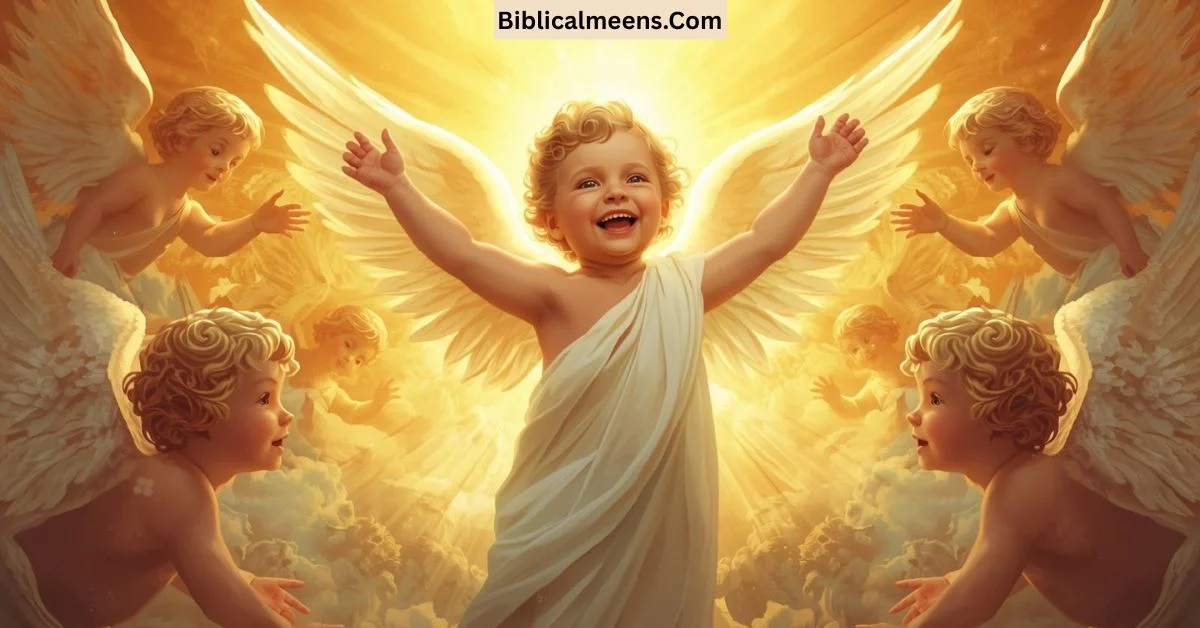
I remember the first time I held my newborn niece. She was so small, so fragile, and yet, her tiny fingers wrapped around mine as if she already knew she belonged. In that moment, I felt something deeply reassuring, a quiet certainty that this little life was a true gift.
But if I’m honest, I also felt a wave of questions and fears—about what it means to have a baby in your life, how that changes everything, and if I was ready to embrace the blessing fully.
If you’ve ever wondered about what the Bible says about babies being a blessing, you’re not alone. Maybe you’re hoping to find comfort or clarity in Scripture. Or perhaps you’re navigating your own emotions about pregnancy, parenthood, or even longing for a child.
Whatever your story, I want you to know that you’re in the right place. Together, we’ll explore what those Bible verses really mean—not just as words on a page, but as living truths that can bring peace, hope, and strength.
What Does “Bible Verses About Babies Being a Blessing” Represent?
When we talk about babies being a blessing in the Bible, we’re tapping into a rich, ancient understanding. The word “blessing” here isn’t just a casual compliment or a nice thought. It’s a deep symbol of God’s favor, presence, and promise.
Babies, in the biblical context, represent new life, hope, and the continuation of God’s plan. They are gifts, entrusted to families to nurture and protect. These verses often reflect more than just physical children—they symbolize joy, legacy, and the sacredness of life itself.
So, when you see the phrase “babies being a blessing” in Scripture, think of it as an invitation to see life’s preciousness and the special role children play in our faith and community.
Core Meaning Explained Clearly
At its heart, the Bible teaches that babies are blessings because they embody God’s love and creativity. They remind us of renewal, the chance for fresh starts, and the beauty of growth.
Take Psalm 127:3, for example:
“Children are a heritage from the Lord, offspring a reward from him.”
This isn’t just about having children; it’s about recognizing that every child is a gift from God—something to be cherished, protected, and celebrated.
Another clear verse is James 1:17:
“Every good and perfect gift is from above, coming down from the Father of the heavenly lights…”
Babies fit perfectly into this idea. They are good gifts, pure and full of potential, given by a loving Creator.
Spiritual Meaning
Spiritually, babies symbolize protection and guidance. They call us to be aware of our responsibility—not just to care for them physically, but to guide them in faith and love.
The Bible often links children to blessings because they represent God’s continuing work in the world. Their innocence and openness mirror the spiritual purity and hope we all need to hold onto.
When you think of babies as spiritual blessings, it’s about feeling God’s presence in everyday life. It’s a reminder that we’re never alone and that new life brings new opportunities to experience God’s grace.
Emotional Meaning
Emotionally, these verses can provide deep comfort. If you’re a parent or soon-to-be parent, you might feel overwhelmed or anxious. But Scripture offers reassurance—you are not alone, and the life you hold is precious beyond measure.
If you’re longing for a child or facing challenges with fertility, these verses remind you that blessings come in many forms and timing is often beyond our control. The Bible encourages trust and patience, reminding us that every life is part of a bigger plan.
Psychological Meaning
From a psychological perspective, seeing babies as blessings helps our minds process feelings of responsibility and hope. Babies often bring inner pressure—worries about the future, about being good enough, or about balancing life’s demands.
By framing babies as gifts, these verses invite us to shift focus from fear to gratitude, from stress to hope. They encourage a mindset that embraces growth and resilience, helping us manage emotions with calm and faith.
Life Situation Meaning
In life, babies being blessings often touch every area—career, relationships, decisions. They may prompt a parent to reconsider work-life balance or a couple to grow closer in their shared hopes.
If you’re facing big decisions, these verses encourage you to see children as part of your purpose and legacy. They help you prioritize love and care, reminding you that life’s true value often lies in the relationships we build.
Does “Bible Verses About Babies Being a Blessing” Mean Something Bad Will Happen?
No, absolutely not.
The Bible’s message about babies as blessings is full of hope and positivity. It doesn’t predict bad outcomes or suggest fear. Instead, it offers reassurance that life—especially new life—is a precious gift.
If you’re worried or have fears, it’s natural. But these verses are meant to calm those fears, not increase them. They invite us to trust in God’s goodness and protection.
Is This a Good or Bad Sign?
It’s a very good sign.
Babies being described as blessings in the Bible is a clear message of hope, love, and promise. It’s a sign that God values life deeply and that children hold a special place in His plan.
Usually, this is a positive, life-affirming symbol. It encourages us to appreciate the miracle of life and the joy children bring.
Repeated Experience Meaning
Sometimes, you might hear or see these verses repeatedly, especially if you’re going through a significant life change or emotional challenge.
Repeatedly encountering the idea of babies as blessings could be a gentle reminder to focus on hope and gratitude. It may also highlight unresolved feelings—perhaps worries or dreams about parenthood—that your heart needs to address.
It’s a way of encouraging you to slow down, reflect, and find peace in the midst of uncertainty.
Common Variations & Their Meanings
Here are a few variations of this theme you might come across:
- “Children are a reward” (Psalm 127:3) – Emphasizes children as God’s gift and something to treasure.
- “Like arrows in the hands of a warrior” (Psalm 127:4) – Highlights the strength and future impact children have.
- “Blessed is the man whose quiver is full of them” (Psalm 127:5) – Suggests abundance and joy from family.
- “Sons are a heritage from the Lord” (Proverbs 17:6) – Focuses on legacy and honor.
- “Let the little children come to me” (Mark 10:14) – Reflects God’s love and welcome for children.
Each variation adds a layer to the idea: protection, joy, legacy, and divine love.
What Should You Do After This Experience?
After reading and reflecting on these verses, try to hold their message close in your heart. If you’re a parent, lean into the role with love and patience. If you’re hoping for a child, hold onto the promise of blessing without fear or pressure.
Practically, take time for quiet reflection or prayer. Talk openly with loved ones about your feelings. Trust that life unfolds in its own good timing.
Remember, these verses don’t demand perfection—they offer comfort and hope.
Myths vs Truth
Myth: Babies are only a blessing if everything goes perfectly.
Truth: Blessings come in all forms, even through challenges.
Myth: If I’m struggling, it means I’m not blessed.
Truth: Struggles are part of life, but they don’t negate the blessing.
Myth: The Bible’s blessing promises mean I’ll have many children.
Truth: Blessings can be spiritual, emotional, and relational—not just about numbers.
Why This Experience Feels So Real
When you read about babies as blessings, the feelings can be intense because this topic touches core human experiences—love, hope, fear, and longing.
Psychologically, we connect these verses to our own life stories and emotions. Spiritually, they resonate because they remind us of something greater than ourselves.
That’s why these words feel so alive, so personal.
FAQs About Bible Verses About Babies Being a Blessing
Q1: What is the most popular Bible verse about babies being a blessing?
A: Psalm 127:3 is often cited: “Children are a heritage from the Lord, offspring a reward from him.”
Q2: Does the Bible say having a baby is always easy?
A: No, the Bible acknowledges challenges but focuses on the joy and blessing babies bring.
Q3: Can these verses comfort those who struggle with infertility?
A: Yes, they offer hope and remind us that blessings come in many forms.
Q4: Are babies seen as a blessing in both Old and New Testaments?
A: Yes, both testaments emphasize children as gifts from God.
Q5: How can I apply these verses in daily life?
A: Use them as reminders to appreciate life’s gifts and to care for children with love.
Q6: Do these verses guarantee I will have children?
A: The verses focus on the value of children, not guarantees; blessings can be spiritual too.
Q7: What if I’m afraid about becoming a parent?
A: These verses offer reassurance and encourage trust and patience.
Q8: Can adults also be considered “blessings”?
A: Absolutely. The concept extends beyond babies to all people as gifts from God.
Conclusion:
Babies are more than just little humans—they are living symbols of hope, love, and God’s faithfulness. When I look at the Bible verses about babies being a blessing, I see a gentle invitation to embrace life fully, with trust and joy.
If you’ve felt fear or uncertainty, may these words calm your heart and remind you that every child—and every life—is precious. We are not alone in this journey, and blessings come in many beautiful forms.
So hold on to that hope, breathe deeply, and know this: life is a blessing, and babies are its brightest spark.
